Creative process
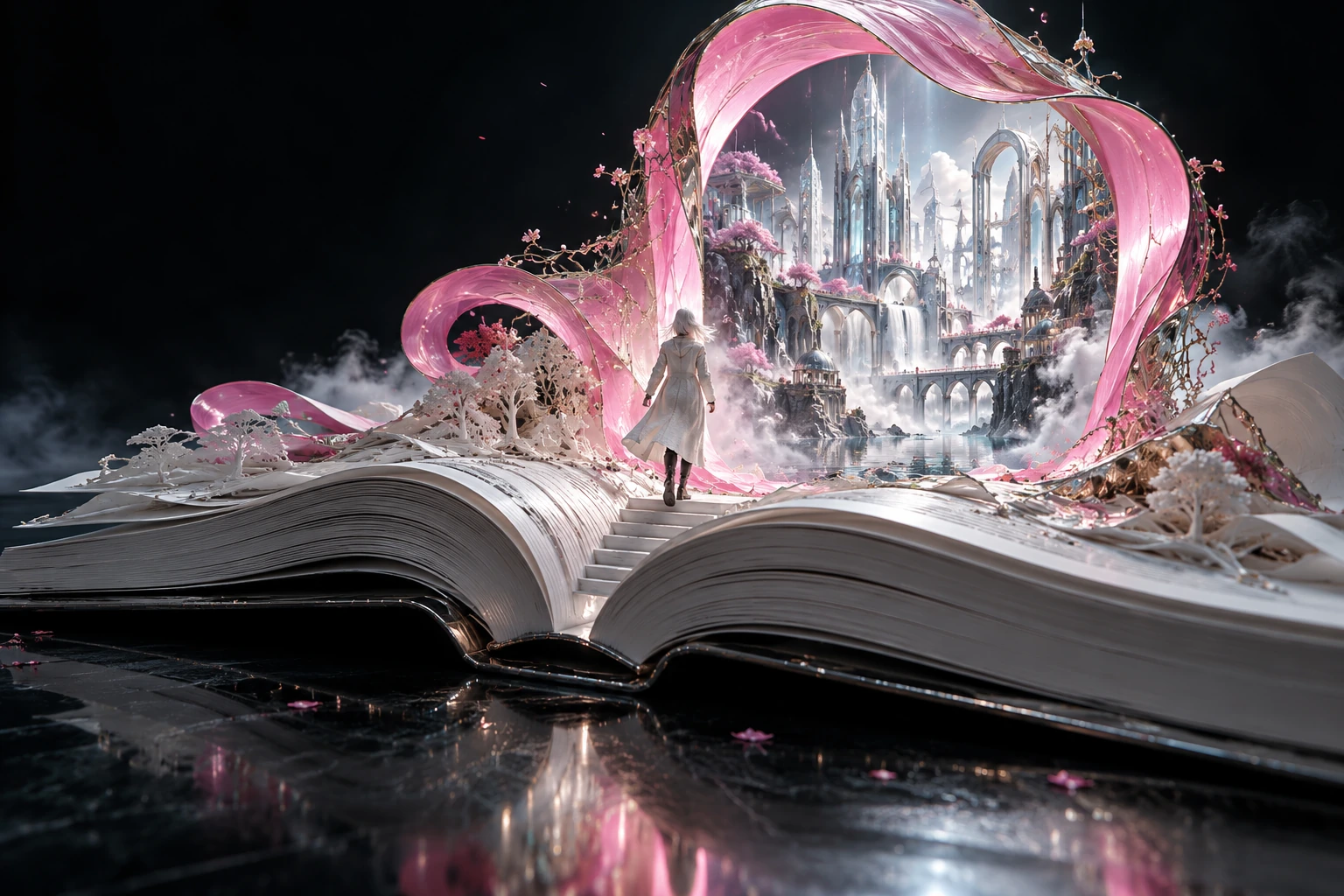
Building LOVE’s world through art
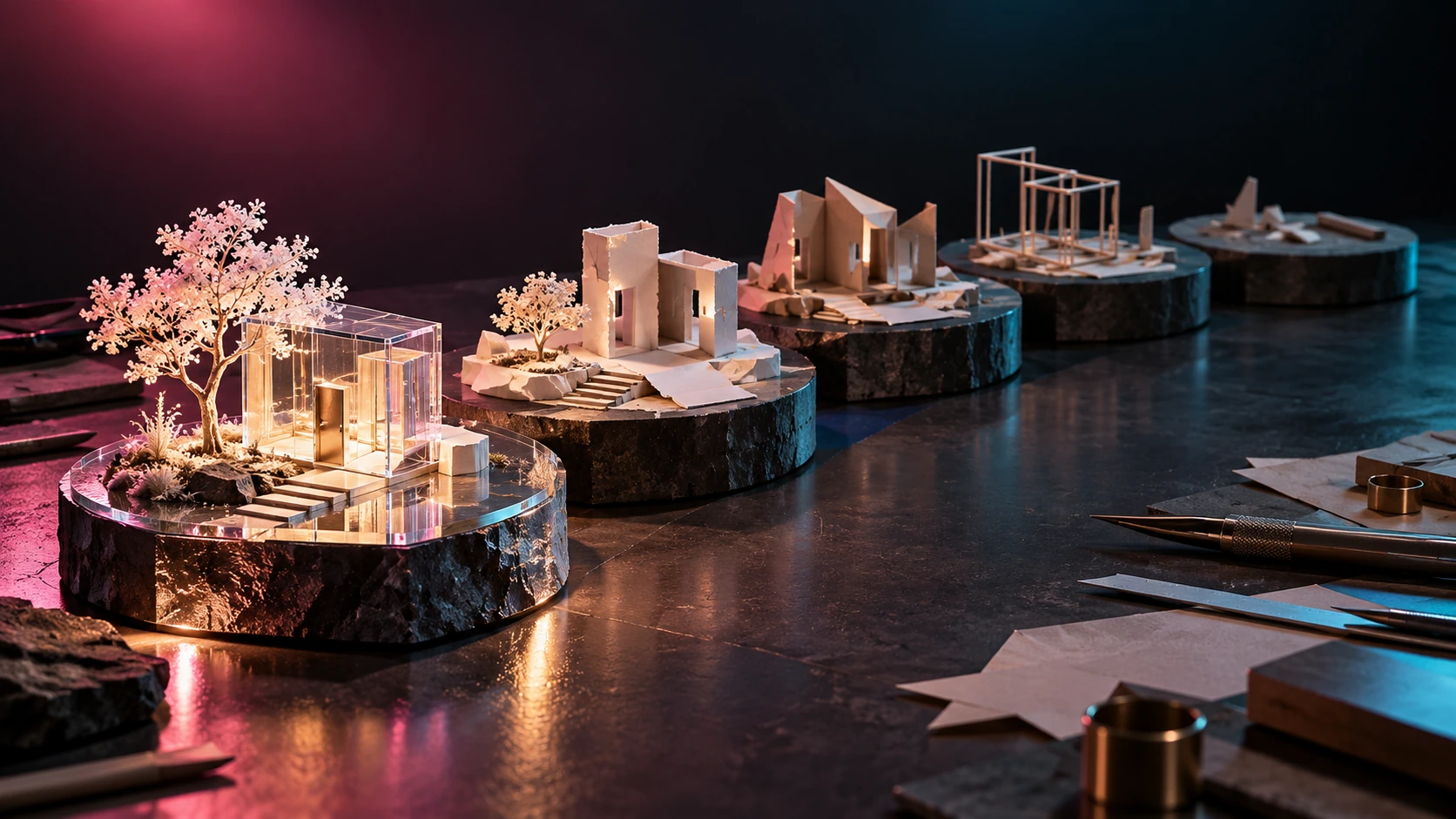
Artwork gives a story somewhere to begin. We use visual concepts to explore character, atmosphere and possibility while keeping their status clear.
An image can ask a useful question
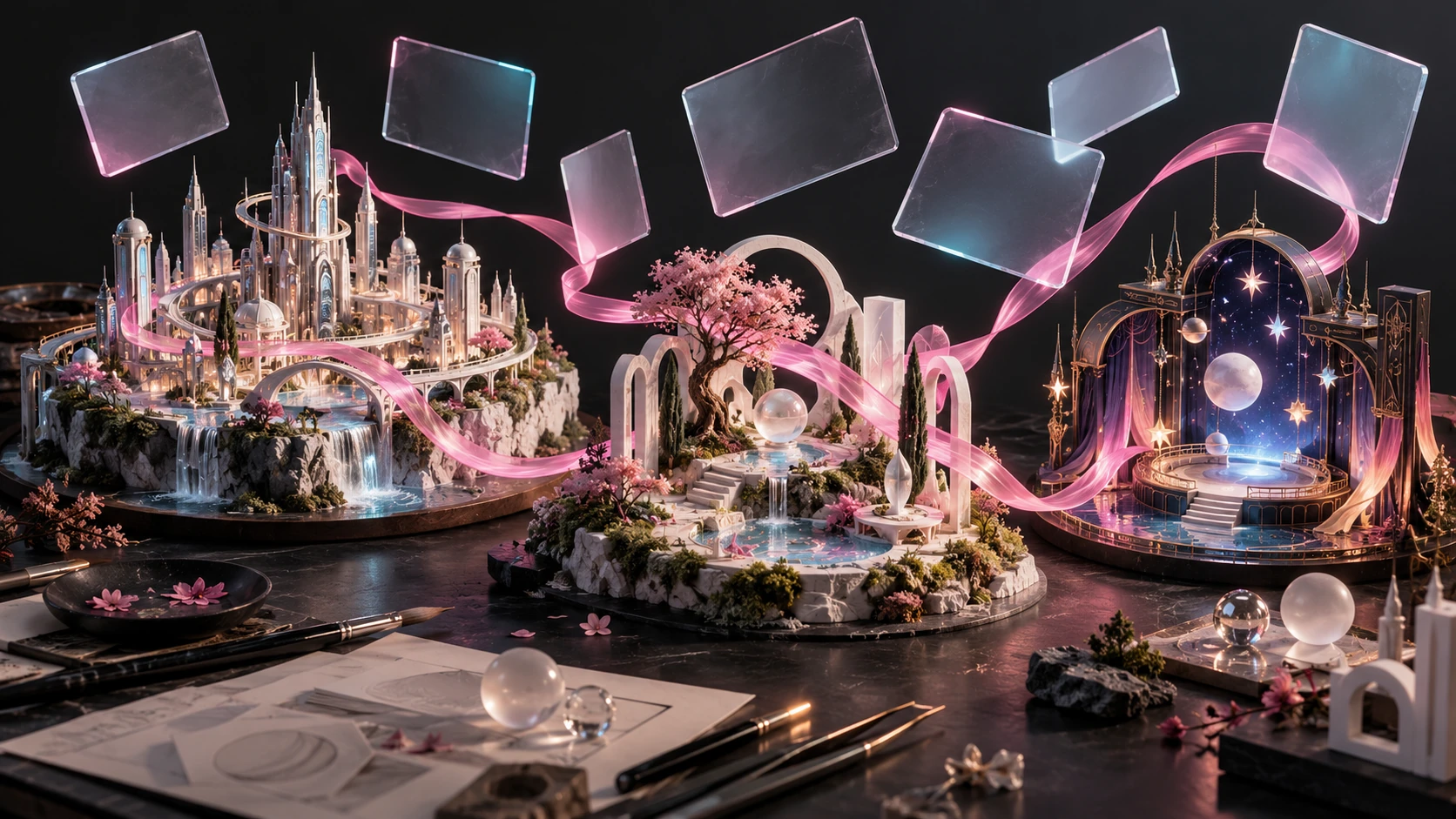
A character becomes easier to imagine when there is somewhere for her to stand. A room, an object or a particular quality of light can suggest how a world feels before a scene has been written. For LOVE, artwork is one way to explore those possibilities and communicate the direction of the project.
The useful question is not simply whether an image is striking. We also want to ask what it suggests about the character or the narrative. A worn object might imply a history. An unfamiliar doorway might offer a reason to explore. An otherwise quiet setting can make a small action feel significant.
Find a visual language with room to change
LOVE's visual development can include different settings, appearances and moods. That range gives us material to consider when imagining the character's world. It also creates a question of continuity: which qualities should remain recognisable as the surroundings change?
A coherent visual direction does not require every scene to look identical. It needs a deliberate relationship between them. Colour, posture, recurring objects and the way a scene is framed can all contribute. We want those choices to support the narrative, rather than asking a collection of attractive images to carry a story on its own.
Connect an artwork to a scene
A practical way to develop an image further is to describe the moment immediately before it and the moment immediately after. What has LOVE noticed? What does she want to do? Where could the person participating make a choice? These questions turn atmosphere into material that can inform a scene.
The reverse process is useful too. A proposed narrative moment may call for a closer framing, a quieter background or an object that is easier to recognise. The artwork then has a specific job: draw attention to the detail that matters without explaining the entire scene in advance.
Be clear about what is being shown
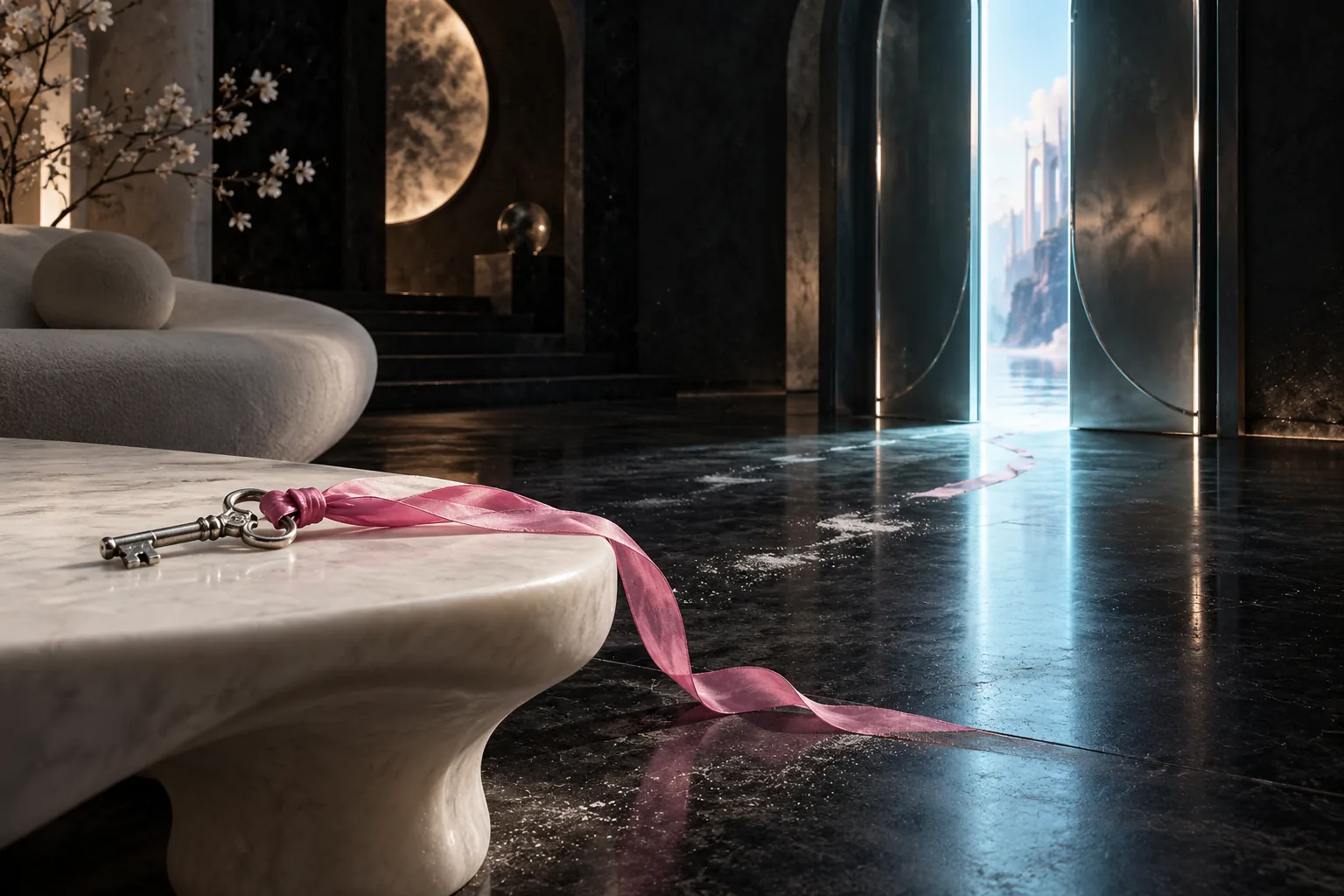
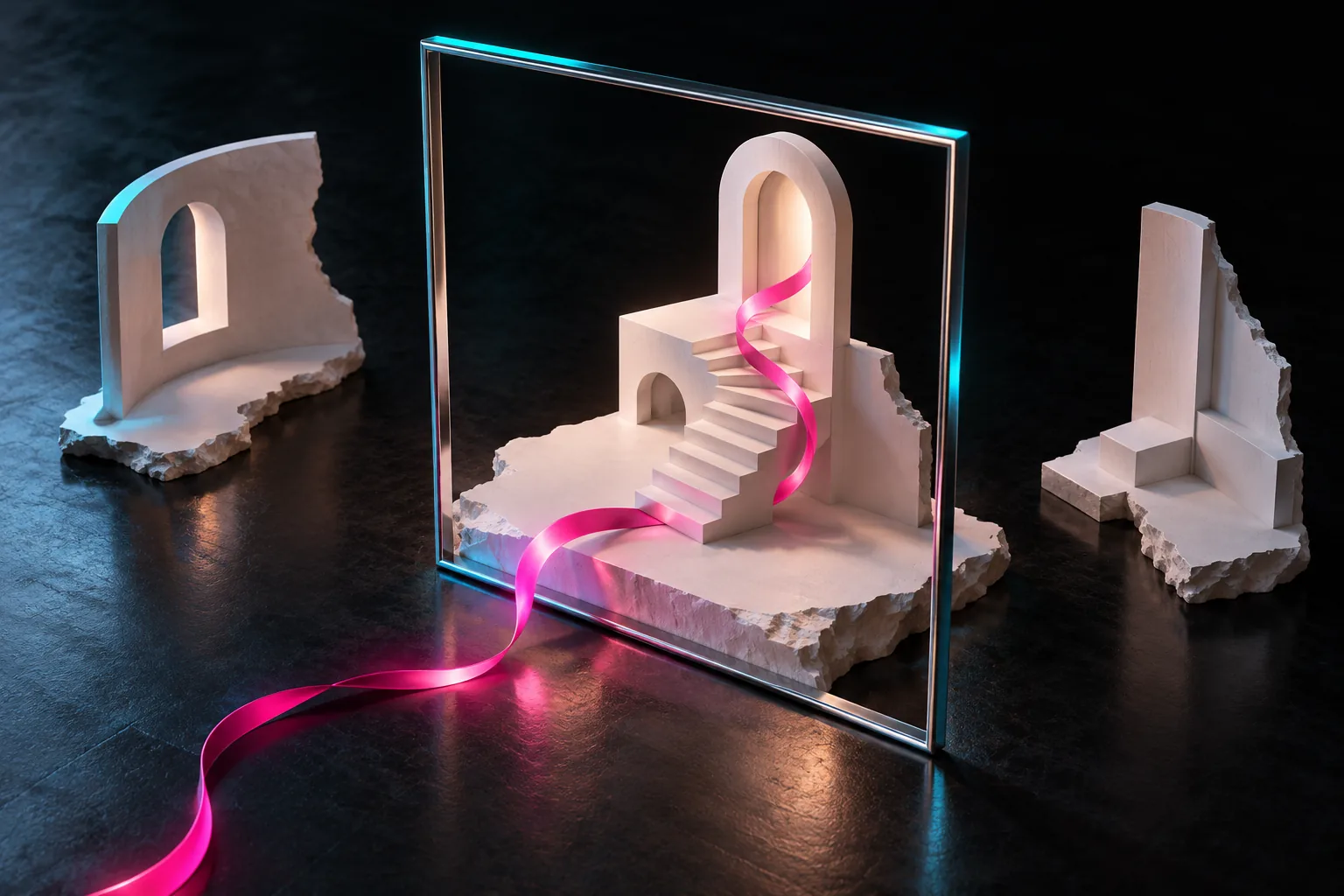
The images accompanying these articles are AI-generated concept artwork. They communicate creative ideas and intended experiences. A convincing rendering does not establish that a connected AI system, physical device or production process exists, and we do not want the images to be mistaken for that evidence.
The distinction matters especially when an image resembles a product photograph or a plausible environment. Captions and surrounding text should make its role clear. If a future post presents a working demonstration, it should identify what was actually demonstrated and describe its limits separately from the visual ambition.
From possibility to a coherent experience
The next creative challenge is selection. Which images help define LOVE? Which belong to a particular chapter? Which are interesting experiments that should remain outside the core story? Making those choices is part of shaping a world someone could return to. Art opens possibilities; the development work has to give the selected possibilities a consistent form.
Explore the proposed experience and the ideas behind its development.
Our approach